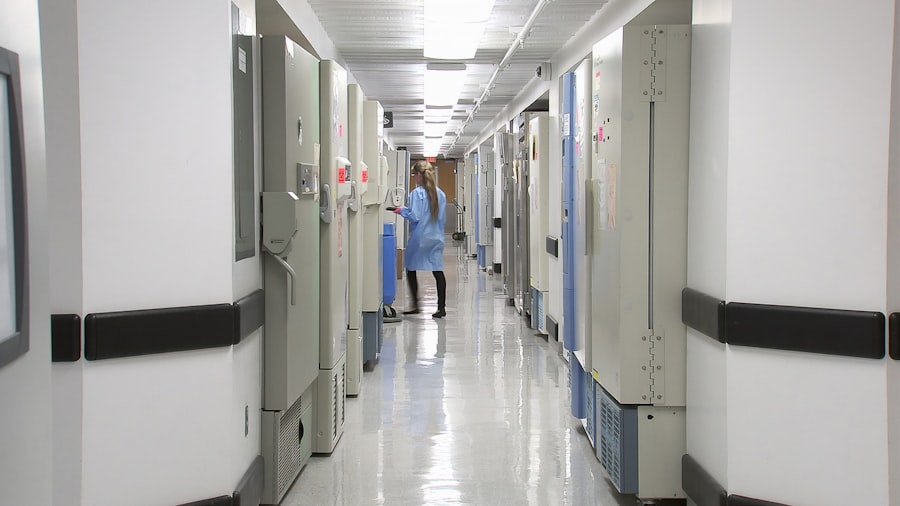
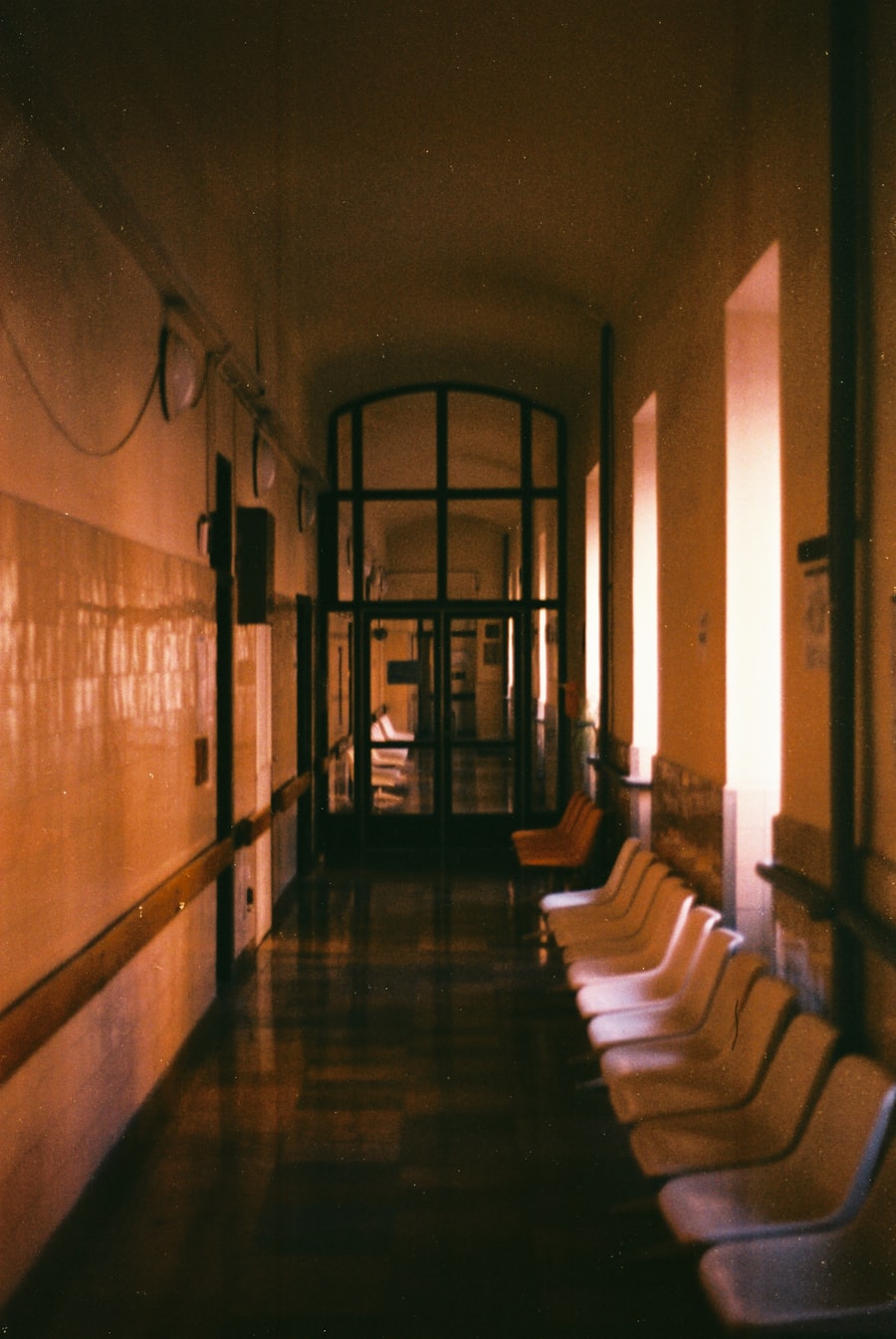
Lobbies, corridors, waiting areas, cafeterias, and administrative floors across Charleston-area hospital campuses — cleaned nightly and covered through the day. Clinical spaces stay with your environmental services department; we take everything around them.

Patients and families spend most of their time on a hospital campus in spaces that are not clinical at all — the parking deck entrance, the registration line, the third-floor family lounge, the cafeteria at 7 p.m. Those areas carry constant traffic and get judged like a hotel lobby. Capital Service Group cleans them for Charleston-area health systems on a written scope, so the spaces your staff has the least time for are the ones under contract.
Common areas only, in writing: lobbies, corridors, offices, cafeterias, and public restrooms. Patient rooms, procedure suites, and regulated medical waste stay in-house.
Overnight crews for the heavy work, a day porter through visiting hours. Traffic sets the schedule, because a hospital has no closing time.
Hard floor and carpet on a documented rotation across every building on the campus — the single largest driver of how a hospital reads to a visitor.
Hospital cleaning is scoped by area, not by building. We walk a campus room type by room type and clean the non-clinical footprint of it — the spaces where visitors, staff, and vendors spend their time. Health systems, specialty hospitals, and campus medical office buildings across the Charleston area are served on the same model.
The entrance sets the impression for the entire visit and takes the worst of the weather and the foot traffic. Entry glass, matting, seating, check-in counters, wayfinding kiosks, and elevator interiors are cleaned nightly, with door hardware, handrails, and counters disinfected on every visit. Entrance floors run on their own maintenance cycle rather than waiting for an annual restoration.
Corridors, waiting rooms, family lounges, chapels, elevator lobbies, and public restrooms on patient floors are cleaned on a nightly route with high-touch surfaces disinfected. Crews work the corridor side of the floor only — they do not enter patient rooms, and that boundary is written into the route sheet rather than left to judgment at 2 a.m.
Business offices, billing and HR suites, conference and training rooms, break rooms, and staff locker areas get standard commercial janitorial service: trash, dusting, glass, restrooms, and floors, with meeting rooms reset for the morning.
Dining rooms, servery fronts, coffee bars, and vending areas are cleaned after the last meal period — tables, chairs, trash, and hard floors nightly, with a scheduled deep clean on the dining floor. Back-of-house kitchen equipment and hood systems are outside our scope and stay with the hospital’s food-service contractor.
Hospitals are judged by their floors. We run one program across every building: burnishing and scheduled stripping and waxing on hard surfaces, hot-water extraction on carpeted waiting and office areas, and terrazzo and polished-concrete maintenance in older main buildings. Work is staged overnight and by zone so no corridor is closed during visiting hours.
Capital Service Group does not perform clinical cleaning. Patient rooms, operating and procedure suites, isolation rooms, sterile processing, and regulated medical waste remain with your environmental services department. For clinic-side work in outpatient settings, see our medical office cleaning page.
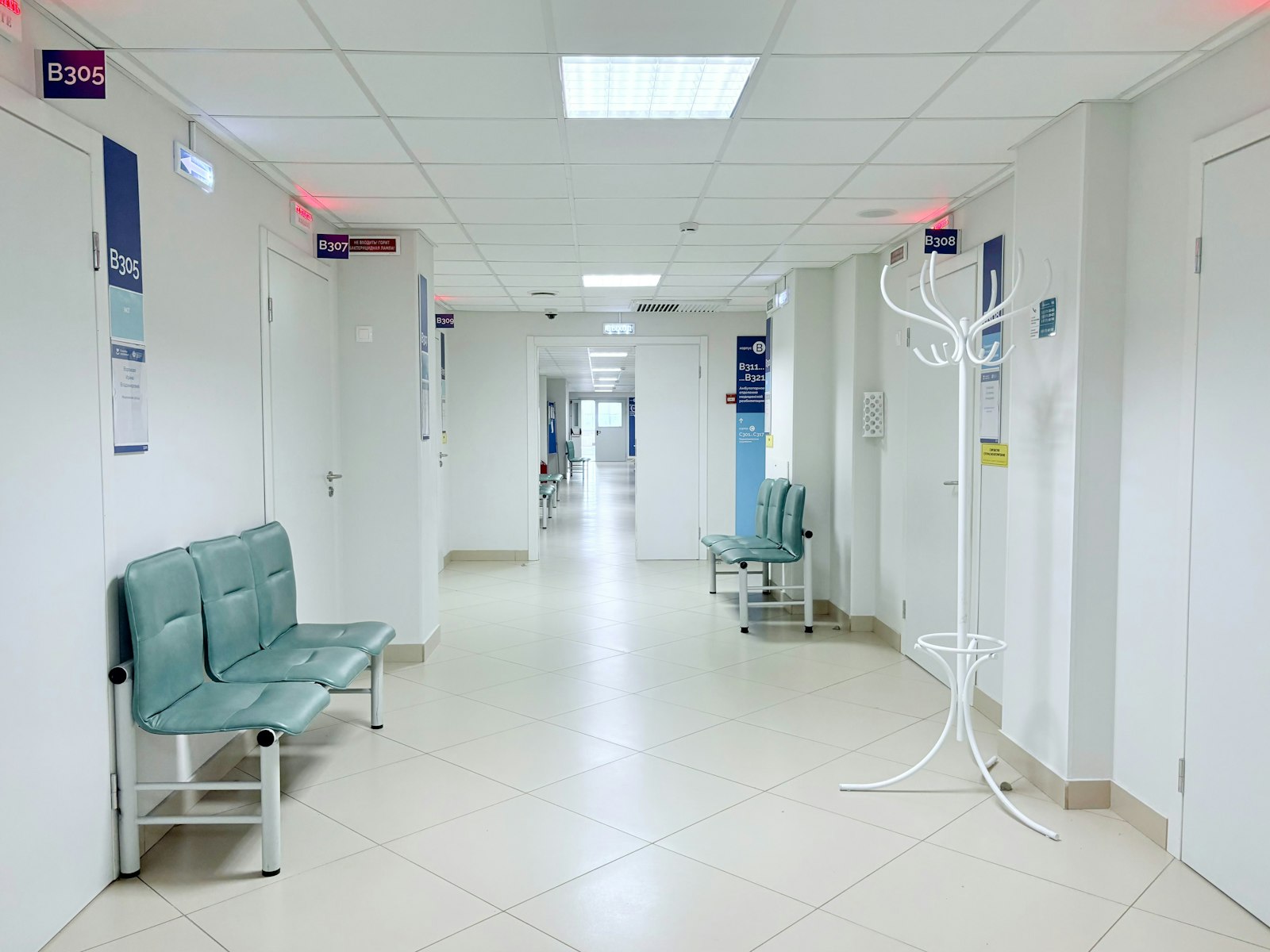
No. Capital Service Group cleans hospital common areas — lobbies, corridors, waiting and family areas, administrative floors, cafeterias, and public restrooms. Patient rooms, procedure suites, and isolation areas stay with your in-house environmental services department, along with regulated medical waste. Drawing that line in writing is the first thing we do in a hospital scope.
Yes. Hospital common areas have no dark hours, so the schedule is built around traffic instead of closing time: overnight service in registration and lobby areas, cafeteria floors after the last meal period, and a day porter on the floor through visiting hours for restrooms, entrances, and spills.
Volume is the enemy of a hospital entrance floor. We run matting at every entry, daily dust and damp mopping, and a scheduled burnish or extraction cycle overnight — hard floor and carpet both on a written rotation, so the finish is maintained rather than restored once a year.
Crews work under your badge, sign-in, and escort procedures, and are background-checked before assignment. They are trained not to enter clinical areas, handle patient records, or view screens. We document this as vendor practice — it is not a certification we claim.
Yes, and most hospital contracts are structured that way. Attached and nearby medical office buildings, outpatient clinics, and administrative annexes go on the same contract and the same invoice.
Most hospital customers combine nightly janitorial with day porter coverage and a campus floor program.
Nightly cleaning of lobbies, corridors, offices, and public restrooms on a written scope.
On-site staff through visiting hours for entrances, restrooms, and spill response.
Burnishing, stripping and waxing, and carpet extraction scheduled overnight.
Paper, soap, and sanitizer for public restrooms stocked and billed on one invoice.
Entrance glass, atrium walls, and tower exteriors at any height.
Entrance canopies, ambulance bays, sidewalks, and dumpster corrals.
We clean hospital and health-system common areas across the Charleston metro — main campuses, satellite buildings, and the medical office buildings attached to them.
Tell us about the campus — buildings, square footage, traffic hours — and we'll scope the non-clinical areas building by building.